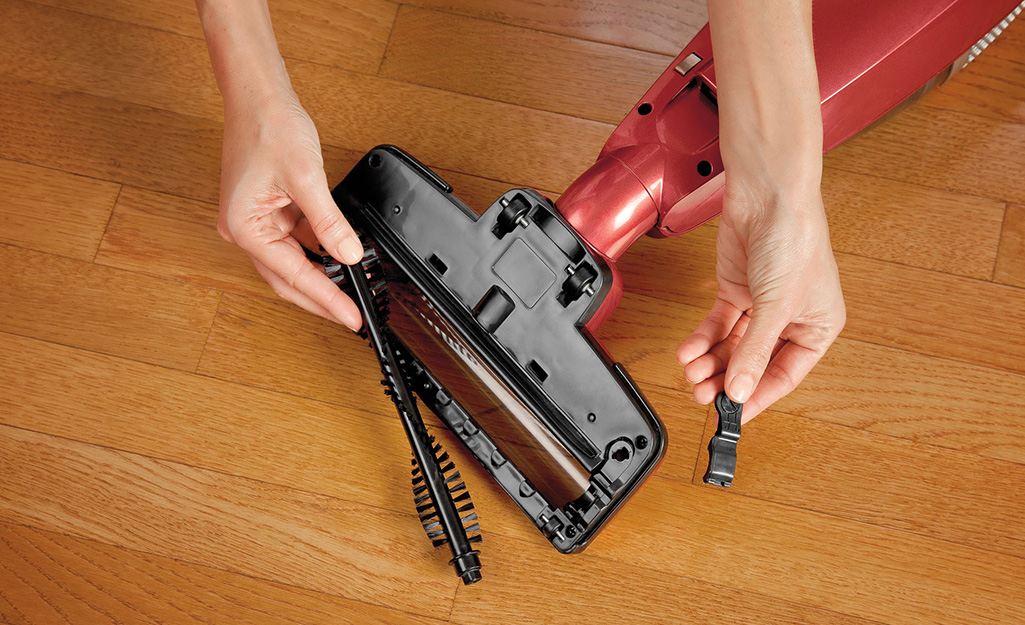
In the dynamic landscape of modern homes and businesses, the vacuum cleaner stands as an indispensable tool, silently battling dust, dirt, and debris to maintain cleanliness and hygiene. From compact handhelds to robust industrial models, vacuums are relied upon daily to keep our environments pristine. However, like any hardworking machinery, vacuum cleaners are subject to wear and tear.Over time, components degrade, leading to diminished performance, increased energy consumption, and ultimately, costly repairs or premature replacements.
This article will explore a proactive and often overlooked strategy to mitigate these expenses: investing in durable commercial car wash vacuum replacement parts. By focusing on quality components, both individuals and businesses can significantly slash long-term maintenance costs and extend the lifespan of their vital cleaning equipment.
Shortened Lifespan and Frequent Replacements
The most apparent consequence of inexpensive, low-quality parts is their abbreviated lifespan. A cheaply made belt might snap after a few weeks, a flimsy filter could clog prematurely, or a poorly constructed brush roll might lose its bristles rapidly. This necessitates frequent replacements, leading to a recurring cycle of purchases and the associated inconvenience. The cumulative cost of these repeated replacements often far exceeds the initial savings.
Diminished Performance and Reduced Efficiency
Beyond longevity, cheap parts directly impact the vacuum cleaner’s performance. A worn-out or ill-fitting brush roll won’t agitate carpets effectively, leaving behind embedded dirt. A flimsy filter might allow fine dust to escape back into the air, diminishing indoor air quality and requiring more frequent cleaning cycles. This reduced efficiency means the vacuum has to work harder and longer to achieve the desired results, leading to increased energy consumption and a less effective clean.
Increased Wear and Tear on Other Components
The failure of one low-quality part can cascade into damage to other, more expensive components. For instance, a worn-out or loose vacuum belt can cause excessive friction and heat, potentially damaging the motor. These secondary damages can escalate repair costs significantly, turning a minor part replacement into a major overhaul.
The Strategic Advantage: Investing in Durable Vacuum Parts
In contrast to the short-sighted approach of cheap parts, investing in durable, a high-quality vacuum component is a strategic decision that yields substantial long-term benefits.
Extended Lifespan and Reduced Replacement Frequency
Durable parts, typically manufactured from robust materials like high-grade rubber, reinforced plastics, or resilient metals, are designed to withstand the rigors of frequent use. A premium vacuum belt, for example, can last significantly longer than its cheaper counterpart, eliminating the need for frequent replacements. This translates directly into fewer purchases and less downtime for your cleaning equipment.
Optimized Performance and Enhanced Cleaning Power
High-quality parts are engineered to perform optimally. A well-designed, durable brush roll will effectively agitate carpets, lifting dirt and debris with precision. A high-efficiency particulate air (HEPA) filter, constructed with superior filtration media, will capture microscopic allergens and pollutants, ensuring cleaner air. This optimized performance means your vacuum cleaner operates at its peak, providing a deeper and more efficient clean with every pass.
Protection of Core Components and Reduced Risk of Major Repairs
One of the most compelling advantages of durable parts is their ability to protect the vacuum cleaner’s core components, such as the motor and internal circuitry. By ensuring that essential parts like belts and filters function correctly and efficiently, you minimize the strain on the motor. A properly functioning filter, for instance, prevents dust and debris from reaching the motor, significantly reducing the risk of overheating and premature failure. This proactive protection can prevent costly major repairs or even the need for an entirely new vacuum cleaner.
Conclusion
In an era where efficiency and cost-effectiveness are paramount, investing in durable vacuum parts stands as a smart, long-term strategy for both households and businesses. While the temptation of cheap, readily available components may seem appealing in the short term, their inherent flaws lead to a cycle of frequent replacements, diminished performance, and ultimately, higher cumulative costs.
