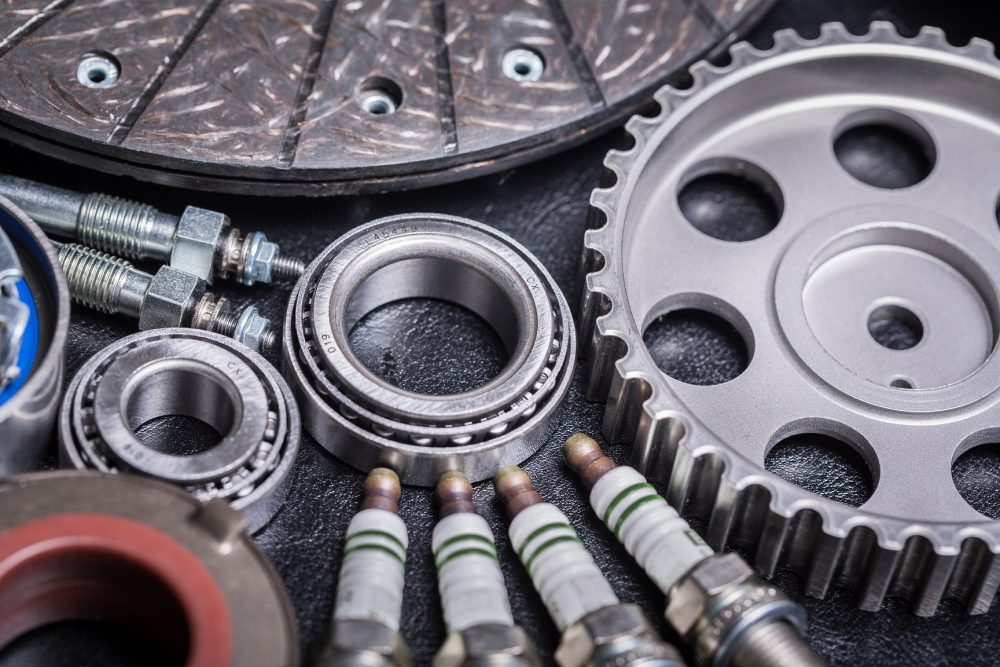
Auto parts are the backbone of every vehicle, ensuring safety, performance, and reliability. Whether you are a car enthusiast, a mechanic, or a regular vehicle owner, understanding auto parts and their proper maintenance is crucial. From essential engine components to modern electronic systems, the auto parts industry has evolved tremendously over the years, offering advanced solutions to meet the needs of diverse vehicles and drivers.
Understanding Auto Parts and Their Importance
Auto parts are individual components that make up a vehicle’s systems, enabling it to operate efficiently. These parts range from mechanical elements like engines and brakes to electronic systems such as sensors and infotainment modules. Every vehicle depends on a combination of these parts to function safely and reliably.
Proper maintenance of auto parts not only prolongs the life of a vehicle but also improves fuel efficiency, reduces emissions, and prevents costly repairs. Regular inspection and timely replacement of worn-out components are key practices for maintaining optimal vehicle performance.
Major Categories of Auto Parts
Auto parts can be classified into several categories based on their function and placement within the vehicle. Understanding these categories helps vehicle owners identify issues and make informed purchasing decisions.
1. Engine and Transmission Components
The engine is the heart of any vehicle, and its components play a vital role in generating power and enabling movement. Key parts include:
- Pistons and Cylinder Blocks: Convert fuel into mechanical energy.
- Crankshafts and Camshafts: Enable the movement of pistons and timing of engine cycles.
- Valves and Timing Belts: Control airflow and synchronize engine components.
- Transmission Systems: Automatic or manual transmissions transmit power from the engine to the wheels efficiently.
Proper maintenance of these components ensures smooth engine performance, reduces fuel consumption, and prevents breakdowns.
2. Brake System Parts
Brakes are critical for vehicle safety, and their components must be in excellent condition. Essential brake parts include:
- Brake Pads and Shoes: Provide friction to stop the vehicle.
- Rotors and Drums: Work with brake pads to slow down wheels.
- Brake Calipers and Lines: Deliver hydraulic pressure to engage brakes effectively.
- Master Cylinders and ABS Sensors: Ensure smooth braking and prevent wheel lock during emergency stops.
Regular inspection and timely replacement of brake parts are vital for safe driving.
3. Suspension and Steering Parts
Suspension systems maintain vehicle stability, comfort, and handling. Key components include:
- Shock Absorbers and Struts: Absorb road impacts and reduce vibration.
- Control Arms and Ball Joints: Connect wheels to the frame while allowing controlled movement.
- Steering Racks and Tie Rods: Enable precise steering and vehicle control.
- Bushings and Sway Bars: Improve handling and reduce body roll during turns.
Worn suspension or steering parts can lead to poor handling, uneven tire wear, and decreased safety.
4. Electrical and Electronic Components
Modern vehicles rely heavily on electronics for performance, safety, and convenience. Essential electrical parts include:
- Batteries and Alternators: Provide and maintain electrical power.
- Sensors and Relays: Monitor vehicle systems and trigger automatic adjustments.
- Ignition Systems: Control fuel combustion and engine start-up.
- Lighting Systems and Infotainment Units: Enhance visibility and in-car experience.
Advancements in vehicle electronics have also introduced smart systems such as collision detection, adaptive cruise control, and engine diagnostics.
5. Exhaust and Emission Parts
Exhaust systems are responsible for directing harmful gases away from the engine and reducing emissions. Key components include:
- Mufflers and Catalytic Converters: Reduce noise and filter toxic gases.
- Exhaust Pipes and Manifolds: Direct exhaust gases safely out of the vehicle.
- Oxygen Sensors: Monitor exhaust composition and optimize engine performance.
Maintaining exhaust systems ensures compliance with environmental regulations and improves fuel efficiency.
6. Cooling and Heating System Parts
Engines generate heat during operation, and cooling systems prevent overheating. Essential components include:
- Radiators and Water Pumps: Circulate coolant to regulate engine temperature.
- Thermostats and Hoses: Maintain proper temperature and coolant flow.
- Heaters and AC Units: Provide cabin comfort and climate control.
A well-maintained cooling system prevents engine damage and improves driving comfort.
Tips for Maintaining Auto Parts
Proper maintenance extends the life of auto parts and ensures vehicle reliability. Key maintenance tips include:
- Regular Inspection: Conduct periodic checks for wear and tear on critical components.
- Use Quality Parts: Always replace damaged or worn parts with genuine or high-quality aftermarket components.
- Follow Manufacturer Guidelines: Adhere to recommended service intervals for oil changes, brake replacement, and fluid checks.
- Clean Components: Keep components like air filters, radiators, and sensors free from dust and debris.
- Monitor Performance: Pay attention to unusual noises, vibrations, or warning lights, which can indicate part failure.
Buying Auto Parts: Key Considerations
When purchasing auto parts, quality, compatibility, and pricing are crucial factors. Consider the following tips:
- OEM vs. Aftermarket Parts: Original Equipment Manufacturer (OEM) parts are produced by the vehicle manufacturer, while aftermarket parts are made by third-party companies. OEM parts ensure compatibility, while aftermarket options may offer cost savings.
- Check Compatibility: Verify part numbers and compatibility with your vehicle’s make, model, and year.
- Warranty and Return Policy: Choose suppliers that offer warranties and return options for defective or incompatible parts.
- Reputation of Supplier: Purchase from trusted auto parts dealers, either online or at local stores.
- Compare Prices: Research multiple suppliers to find the best value without compromising quality.
The Growing Auto Parts Market
The global auto parts industry has witnessed remarkable growth, fueled by increasing vehicle ownership, aging cars requiring replacement parts, and the rise of electric and hybrid vehicles. The aftermarket segment, in particular, has expanded due to demand for affordable and high-quality replacement components.
Additionally, technology-driven parts, such as electronic control units (ECUs), sensors, and battery modules for EVs, are reshaping the market. Manufacturers are investing in R&D to produce smarter, more durable, and eco-friendly components.
Emerging Trends in Auto Parts
- Electric Vehicle Components: Batteries, chargers, inverters, and regenerative braking systems are becoming standard in the growing EV market.
- 3D Printing for Custom Parts: Some manufacturers are using 3D printing technology to produce lightweight and custom auto parts efficiently.
- Sustainable Materials: Manufacturers are exploring recycled metals, biodegradable plastics, and low-emission manufacturing processes.
- Smart Diagnostics and IoT Integration: Modern vehicles feature sensors that communicate directly with diagnostic tools, enabling predictive maintenance and reducing downtime.
On a personal note, this article was originally written as a general guide, but I later came across some excellent suppliers and listings for high-quality auto parts, which readers can explore to find the right components for their vehicles.
FAQs About Auto Parts
- What are the most commonly replaced auto parts?
Brake pads, air filters, batteries, spark plugs, and tires are among the most frequently replaced components. - How do I know when an auto part needs replacement?
Signs include unusual noises, reduced performance, warning lights, leaks, or visible wear and tear. - Are aftermarket auto parts reliable?
High-quality aftermarket parts can be as reliable as OEM parts, but it’s essential to choose reputable suppliers. - How often should I check and replace my vehicle’s filters?
Air filters should be inspected every 12,000–15,000 miles, and cabin filters replaced annually or as needed. - Can I install auto parts myself?
Basic parts like batteries, wipers, and filters can often be installed by vehicle owners, but complex components should be handled by professionals. - Do electric vehicles require different auto parts than conventional cars?
Yes, EVs use specialized components like high-capacity batteries, inverters, and regenerative braking systems. - How can I ensure I’m buying genuine auto parts online?
Verify part numbers, check supplier reviews, look for OEM certification, and prefer established dealers.
