Introduction
A vehicle depends on hundreds of individual components working together safely and efficiently. From the engine and braking system to the suspension, electrical system, and exterior components, every part has an important role. When one component wears out or fails, choosing the correct replacement can make a major difference in vehicle performance, safety, reliability, and operating costs.
Understanding auto parts does not require professional mechanical knowledge. With a basic understanding of common vehicle components, compatibility, quality, and maintenance, vehicle owners can make better purchasing decisions and avoid unnecessary repairs.
This guide explains the different types of auto parts, what to consider before buying replacements, and how proper maintenance can help extend the life of important vehicle components.
What Are Auto Parts?
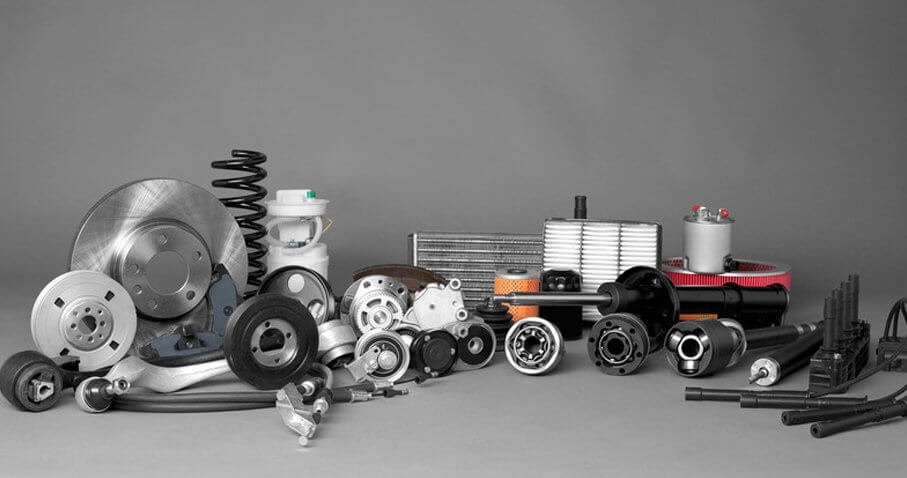
Auto parts are the individual components used to build, operate, repair, and maintain a vehicle. Some parts are installed during vehicle manufacturing, while others are replaced as they wear out or become damaged.
Common examples include:
- Brake pads and rotors
- Oil and air filters
- Spark plugs
- Batteries
- Alternators
- Belts and hoses
- Shock absorbers
- Suspension components
- Headlights and bulbs
- Engine components
- Steering parts
- Exhaust components
- Cooling system components
Some auto parts require regular replacement, while others can last for many years when properly maintained.
Main Categories of Auto Parts
Engine Parts
The engine contains many components that work together to produce power. Engine-related auto parts include spark plugs, timing components, gaskets, pistons, belts, filters, and various sensors.
Routine maintenance is especially important for engine components. Regular oil changes, filter replacement, and inspections can help prevent minor problems from becoming expensive repairs.
Brake Parts
The braking system is one of the most important safety systems in any vehicle. Common brake components include brake pads, rotors, calipers, brake shoes, and brake lines.
For example, worn brake pads may produce squealing or grinding sounds and can increase stopping distances. Replacing worn components promptly can help maintain reliable braking performance.
Suspension Parts
Suspension components help provide stability, handling, and driving comfort. Shocks, struts, control arms, ball joints, bushings, and stabilizer links are common suspension parts.
A vehicle that pulls to one side, feels unusually unstable, or produces knocking sounds over bumps may require a suspension inspection.
Electrical Parts
Modern vehicles rely heavily on electrical systems. Batteries, alternators, starters, fuses, sensors, wiring, switches, and lighting components are all part of this category.
Electrical problems can sometimes be difficult to identify because one faulty component may affect several vehicle functions. Proper diagnosis is therefore important before replacing expensive parts.
Cooling System Parts
The cooling system prevents the engine from overheating. Radiators, water pumps, thermostats, cooling fans, hoses, and related components work together to control engine temperature.
A damaged hose or malfunctioning thermostat may cause overheating. Ignoring cooling system problems can result in serious engine damage.
Filters and Maintenance Parts
Some of the most frequently replaced auto parts are relatively simple maintenance items. Oil filters, air filters, fuel filters, and cabin air filters help keep vehicle systems clean and functioning properly.
Replacing these components according to the manufacturer’s recommended schedule can support efficient vehicle operation.
How to Choose the Right Auto Parts
Check Vehicle Compatibility
The most important step is confirming that a part is designed for the specific vehicle. Make, model, model year, engine type, trim level, and sometimes production date can affect compatibility.
Two vehicles that look similar may use completely different components. Checking the vehicle identification number can also help identify the correct specification.
Compare Part Specifications
Do not choose a replacement based only on appearance. Compare important specifications such as dimensions, materials, ratings, connector types, and manufacturer requirements.
For example, an automotive battery may need to meet specific capacity and starting requirements. Installing a battery that does not match the vehicle’s specifications can create electrical or starting problems.
Consider Part Quality
The cheapest component is not always the most economical choice. A low-quality part may wear out quickly, perform poorly, or require another replacement sooner than expected.
Look for parts from established manufacturers and pay attention to applicable quality standards, warranties, and product specifications.
Understand OEM and Aftermarket Options
Original equipment manufacturer parts are produced to meet the specifications associated with the vehicle manufacturer. Aftermarket parts are produced by other companies and can vary considerably in design, quality, and price.
A reputable aftermarket component can be a practical option for many repairs, but buyers should carefully check compatibility and quality before making a decision.
Ask for Professional Advice When Necessary
Some components are relatively easy to identify, while others require technical knowledge. If there is uncertainty about the correct part, consulting a qualified mechanic can prevent costly mistakes.
Professional advice is particularly valuable for engine, transmission, braking, steering, and advanced electronic components.
Common Mistakes to Avoid When Buying Auto Parts
Choosing Based Only on Price
Price should be considered, but it should not be the only factor. A dependable part that lasts longer may provide better overall value than an inexpensive component that needs frequent replacement.
Ignoring Compatibility
Buying a part without verifying the vehicle specification can result in wasted money and installation problems.
Replacing Parts Without Proper Diagnosis
A warning light or unusual noise does not always identify the exact failed component. Replacing parts based on assumptions can become expensive.
For example, a vehicle that struggles to start may have a weak battery, a charging-system problem, a starter issue, or another electrical fault. Proper testing can identify the actual cause.
Delaying Safety-Related Repairs
Brake, steering, tire, suspension, and lighting problems should not be ignored. Delaying these repairs can create additional vehicle damage and potentially increase safety risks.
How Proper Maintenance Extends Auto Part Life
Preventive maintenance is one of the simplest ways to reduce unexpected repair costs. Vehicle owners should follow the manufacturer’s maintenance recommendations and pay attention to warning signs.
Useful maintenance habits include:
- Checking fluid levels regularly
- Replacing filters when required
- Inspecting belts and hoses
- Monitoring tire condition and pressure
- Checking brake performance
- Responding to dashboard warning lights
- Following recommended oil-change intervals
- Inspecting suspension components
- Keeping electrical connections clean and secure
Regular inspections can identify small problems before they develop into major failures.
Example: Replacing Worn Brake Pads
Consider a vehicle that begins producing a high-pitched noise whenever the brakes are applied. Instead of ignoring the sound, the owner takes the vehicle for an inspection.
The mechanic discovers that the brake pads are significantly worn. Replacing the pads at the appropriate time can help protect other braking components and maintain dependable stopping performance.
This example demonstrates why recognizing early warning signs can save money and prevent more complicated repairs.
Buying Auto Parts for Older Vehicles
Older vehicles can present unique challenges when sourcing replacement parts. Some original components may be discontinued, while certain aftermarket manufacturers may offer compatible alternatives.
Owners of older vehicles should keep accurate records of previous repairs and confirm part numbers whenever possible. Maintaining documentation can make future repairs easier and reduce the risk of ordering the wrong component.
Why Part Numbers Matter
A part number provides a more precise way to identify a component than its general description. Similar-looking parts may have different dimensions, connectors, materials, or performance specifications.
When replacing a component, recording the existing part number can help simplify the search for an appropriate replacement. However, the part number should still be verified against the vehicle’s specifications.
Frequently Asked Questions
How do I know which auto part fits my vehicle?
Check the vehicle’s make, model, year, engine configuration, trim, and identification number. When necessary, confirm the part number and specifications with a qualified professional.
Are aftermarket auto parts reliable?
Quality varies among manufacturers. Reputable aftermarket parts can offer good performance and value, but buyers should verify compatibility, specifications, warranty coverage, and manufacturer reputation.
Should I always buy OEM parts?
Not necessarily. OEM parts can provide a straightforward choice for compatibility, but high-quality aftermarket components may also be suitable depending on the repair and vehicle.
How often should auto parts be replaced?
There is no single replacement schedule for every component. Brake pads, filters, belts, batteries, and other parts have different service lives. Follow the vehicle manufacturer’s recommendations and replace components when inspection shows significant wear or damage.
Can I install auto parts myself?
Some basic maintenance tasks can be performed by experienced vehicle owners with the right tools and knowledge. Safety-critical or technically complex repairs are generally better handled by a qualified mechanic.
Why is preventive maintenance important?
Preventive maintenance helps identify wear before it becomes a major failure. It can improve reliability, preserve vehicle performance, and potentially reduce long-term repair expenses.
Conclusion
Choosing and maintaining the right auto parts is an important part of responsible vehicle ownership. Understanding major component categories, checking compatibility, comparing quality, and following a consistent maintenance routine can help keep a vehicle dependable for years.
Whether you are replacing a simple filter, upgrading a worn suspension component, or addressing an engine problem, informed decisions are essential. The right part is not simply the one that fits; it should also meet the vehicle’s requirements and provide appropriate quality and reliability.
By paying attention to maintenance schedules, recognizing early warning signs, and seeking professional assistance when needed, vehicle owners can make smarter decisions and get more value from their auto parts over the life of the vehicle.
