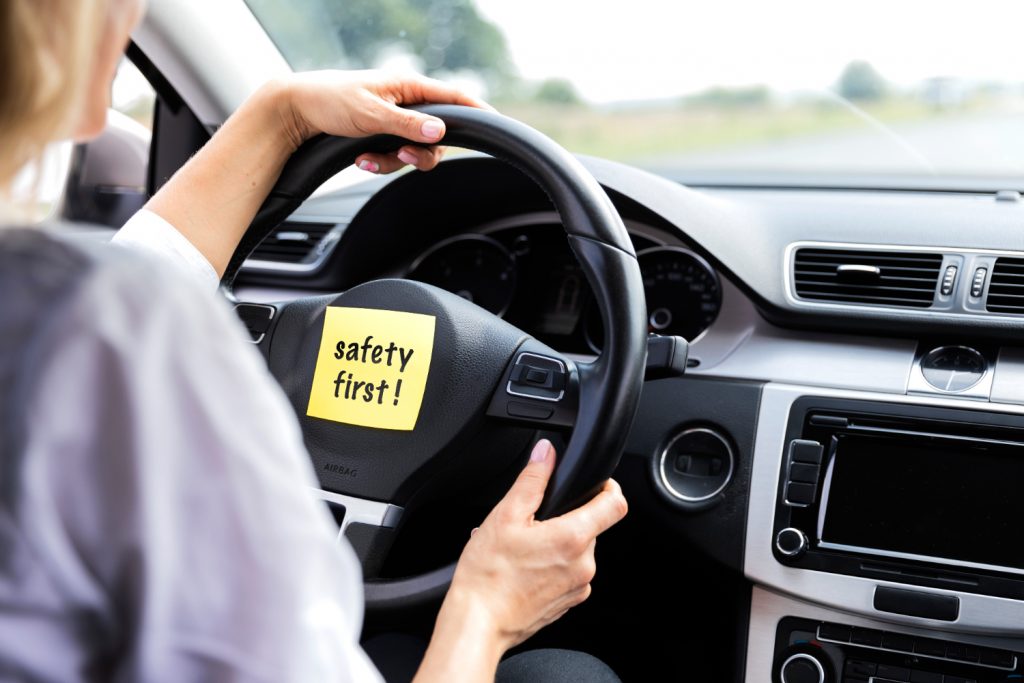
Driving is an essential skill that combines knowledge, experience, and awareness. Whether you are a beginner or an experienced driver, following effective driving tips ensures safety, reduces accidents, and enhances your confidence behind the wheel. Understanding road rules, vehicle dynamics, and situational awareness are key aspects of responsible driving.
Why Driving Tips Are Important
Driving tips are not just suggestions—they are practical strategies developed from real-world experience and traffic safety research. These tips help reduce accidents, prevent vehicle damage, save fuel, and make daily commutes more comfortable. Drivers who follow proper guidelines are less likely to encounter dangerous situations and can respond more effectively during emergencies.
Basic Driving Tips for Beginners
For new drivers, building a strong foundation is crucial. These basic driving tips focus on mastering control, awareness, and decision-making:
1. Master Vehicle Controls
- Familiarize yourself with pedals, gear shifts, indicators, and steering.
- Adjust your seat, mirrors, and steering wheel for maximum visibility and comfort.
- Understand dashboard indicators and warning lights.
2. Follow Traffic Rules
- Observe speed limits and traffic signals at all times.
- Yield to pedestrians and follow right-of-way rules.
- Use turn signals to communicate intentions to other drivers.
3. Maintain Proper Following Distance
- Keep at least a three-second gap between your car and the vehicle ahead.
- Increase distance during bad weather or heavy traffic.
4. Practice Smooth Driving
- Avoid sudden acceleration or braking.
- Make gradual lane changes and turns.
- Smooth driving reduces wear on brakes, tires, and suspension.
Advanced Driving Tips for Experienced Drivers
Experienced drivers can further enhance safety and efficiency with advanced techniques:
1. Defensive Driving
- Anticipate other drivers’ actions and maintain situational awareness.
- Scan intersections and check blind spots before making moves.
- Be prepared for sudden stops, lane changes, or erratic driving from others.
2. Avoid Distractions
- Keep mobile phones, eating, and other distractions out of reach.
- Use hands-free devices only if necessary, but minimize phone conversations while driving.
- Stay focused on the road and surrounding vehicles.
3. Night Driving Tips
- Dim your dashboard lights to reduce glare.
- Use low-beam headlights in fog or rain, and high beams on empty roads with caution.
- Watch for pedestrians, animals, and road hazards that are harder to see at night.
4. Driving in Adverse Weather Conditions
- Rain: Slow down, avoid sudden braking, and maintain longer following distances.
- Snow/Ice: Use winter tires, drive in lower gears, and avoid sudden acceleration or turns.
- Fog: Use fog lights or low beams and reduce speed.
Fuel-Efficient Driving Tips
Driving smartly not only improves safety but also saves fuel and reduces emissions:
- Avoid unnecessary idling; turn off the engine during long waits.
- Maintain steady speeds and use cruise control on highways.
- Ensure tires are properly inflated to reduce drag.
- Remove excess weight and roof racks when not in use.
Car Maintenance Tips for Safe Driving
A well-maintained vehicle is essential for safe driving. Regular maintenance prevents breakdowns and accidents:
- Check tire pressure, tread depth, and alignment regularly.
- Inspect brakes, lights, and windshield wipers.
- Change engine oil and filters as per manufacturer recommendations.
- Monitor fluid levels, including coolant, brake, and transmission fluids.
Tips for City Driving vs Highway Driving
City Driving:
- Expect frequent stops and slower traffic.
- Watch for pedestrians, cyclists, and motorbikes.
- Be alert at intersections and around public transport.
Highway Driving:
- Maintain appropriate speeds and safe following distances.
- Use lanes properly; the left lane is typically for overtaking.
- Stay aware of large trucks and vehicles with blind spots.
Handling Emergency Situations
Knowing how to react in emergencies is a critical driving tip:
- Brake Failure: Pump brakes, use handbrake gradually, and steer to safety.
- Skidding: Steer in the direction of the skid and avoid braking abruptly.
- Tire Blowout: Hold the steering wheel firmly, ease off the accelerator, and pull over safely.
- Collision: Stay calm, move to a safe location, and contact authorities if needed.
Eco-Friendly Driving Tips
Eco-driving improves fuel efficiency and reduces environmental impact:
- Accelerate gently and anticipate traffic flow.
- Avoid harsh braking and unnecessary idling.
- Combine errands into one trip to reduce mileage.
- Use air conditioning wisely to save fuel.
On a personal note, this article was initially drafted as a general guide, but I later discovered that applying these driving tips consistently and selecting routes wisely not only improves safety but also enhances the overall driving experience for both beginners and seasoned drivers.
FAQs About Driving Tips
- How can I improve my reaction time while driving?
Practice defensive driving, stay alert, avoid distractions, and maintain proper following distances. - What is the safest speed for city driving?
Follow posted speed limits, typically 25–35 mph in residential areas, and adjust according to traffic and weather conditions. - How often should I check my car before a long drive?
Inspect tires, brakes, lights, fluids, and fuel levels before any long journey to ensure safety. - Are defensive driving courses really helpful?
Yes, they teach advanced skills, accident avoidance strategies, and improve overall driving awareness. - What should I do if I feel drowsy while driving?
Pull over to a safe location, take a short rest, drink water, or swap drivers if possible. Never continue driving while drowsy. - How do I handle aggressive drivers on the road?
Stay calm, avoid confrontation, maintain safe distance, and report reckless driving if necessary. - Can following driving tips reduce car insurance premiums?
Many insurance providers offer discounts for safe driving records, defensive driving courses, and adherence to traffic laws.
