The auto industry is one of the most dynamic sectors globally, constantly evolving with technology, consumer preferences, and environmental concerns. From electric vehicles to advanced safety features, understanding the current trends and innovations in the auto market can help buyers make informed decisions. This article delves deep into the auto industry, highlighting the latest trends, technological innovations, and essential buying tips for prospective car owners.
Understanding the Auto Industry Landscape
The auto industry encompasses the design, manufacturing, marketing, and sale of motor vehicles. It is divided into several segments, including passenger cars, commercial vehicles, electric vehicles (EVs), and luxury automobiles. The global auto market has seen significant growth due to increasing urbanization, rising disposable incomes, and the demand for more fuel-efficient and technologically advanced vehicles.
- Passenger Vehicles: The largest segment, including sedans, hatchbacks, and SUVs, which cater to individual and family needs.
- Commercial Vehicles: Trucks, vans, and buses primarily used for logistics, transportation, and business operations.
- Electric Vehicles: A growing segment driven by environmental regulations and consumer demand for sustainable transportation.
- Luxury Vehicles: High-end cars offering advanced features, superior comfort, and performance for affluent buyers.
Current Trends Shaping the Auto Industry
- Shift to Electric Vehicles (EVs)
One of the most significant trends in the auto industry is the shift from internal combustion engines to electric vehicles. Governments worldwide are offering incentives for EV adoption, and automakers are investing heavily in battery technology and charging infrastructure. EVs are not only eco-friendly but also offer reduced maintenance costs due to fewer moving parts. - Autonomous Driving Technology
Self-driving or autonomous cars are no longer a distant dream. Companies are testing advanced driver-assistance systems (ADAS) and fully autonomous vehicles in controlled environments. These technologies aim to reduce accidents, improve traffic flow, and offer convenience to drivers. - Connected Cars and IoT Integration
Modern automobiles are becoming more connected than ever. Integration with smartphones, GPS navigation, and IoT-enabled features allows for remote diagnostics, predictive maintenance, and enhanced entertainment options. Connected car technology is transforming the driving experience by providing real-time data and improving safety. - Sustainable Manufacturing Practices
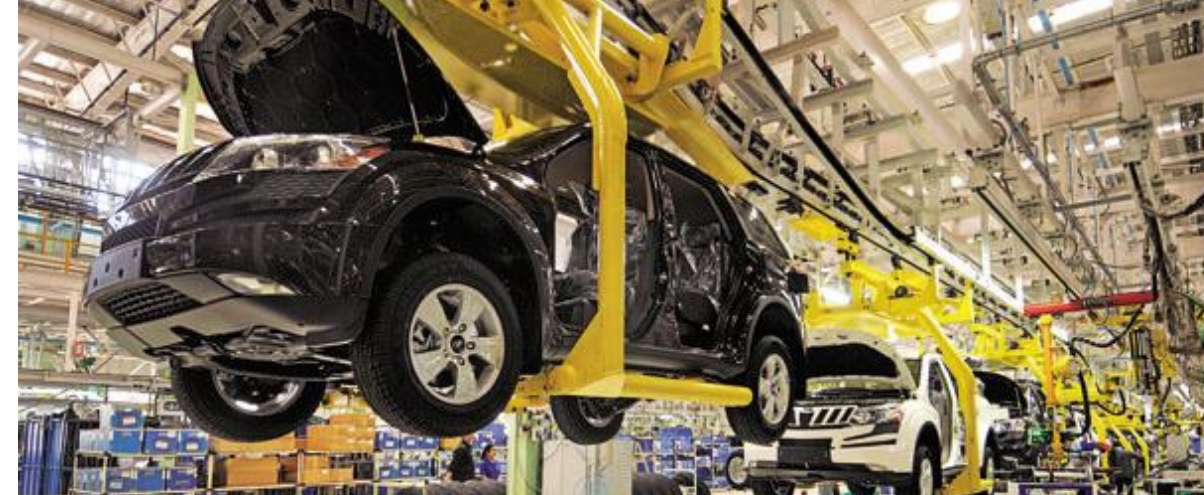
Automakers are increasingly adopting sustainable practices such as using recycled materials, reducing carbon emissions in manufacturing plants, and designing vehicles that are easier to recycle. Sustainability is becoming a key differentiator for brands in the competitive auto market. - Rise of Mobility-as-a-Service (MaaS)
Shared mobility solutions such as ride-hailing, car-sharing, and subscription-based models are changing the way people use vehicles. This trend caters to urban dwellers who prefer flexible and cost-effective transportation over owning a personal car.
Key Innovations in the Auto Sector
- Advanced Safety Features: Modern cars now include lane-keeping assist, adaptive cruise control, blind-spot detection, and automatic emergency braking to enhance driver and passenger safety.
- Hybrid Technology: Hybrid vehicles combine internal combustion engines with electric motors to improve fuel efficiency and reduce emissions.
- Lightweight Materials: The use of carbon fiber, aluminum, and advanced composites reduces vehicle weight, which contributes to better fuel economy and performance.
- Infotainment Systems: Touchscreen displays, voice command interfaces, and integrated apps offer a seamless in-car entertainment experience.
- Battery and Charging Innovations: Improvements in lithium-ion battery technology and fast-charging infrastructure are making EVs more practical for everyday use.
Buying Your Next Auto: Tips and Considerations
Purchasing a car requires careful consideration to ensure you choose the right model for your needs. Here are key factors to keep in mind:
- Determine Your Budget: Include not just the purchase price, but also insurance, maintenance, and fuel costs.
- Choose the Right Vehicle Type: Consider your lifestyle, commute, and cargo requirements when selecting between sedans, SUVs, trucks, or EVs.
- Evaluate Fuel Efficiency: Fuel-efficient vehicles save money in the long run and reduce environmental impact.
- Check Safety Ratings: Look for vehicles with high safety ratings and modern safety features to ensure protection for you and your passengers.
- Consider Resale Value: Some brands and models retain value better than others, which can affect long-term ownership costs.
- Test Drive: Always test drive the car to experience comfort, handling, and driving performance firsthand.
- Warranty and Service: Ensure the car comes with a reliable warranty and access to service centers in your area.
Emerging Markets and Global Auto Growth
The auto industry is experiencing growth not just in traditional markets like the U.S., Europe, and Japan, but also in emerging economies such as India, China, and Brazil. Increasing urbanization, rising incomes, and government incentives for vehicle ownership are fueling demand. Electric mobility is also gaining traction in these regions, supported by investments in charging infrastructure and clean energy initiatives.
The Role of Technology in Customer Experience
Technology is transforming the way customers interact with the auto industry. From online car configurators to virtual showrooms and AI-powered chatbots for customer support, digital innovation is enhancing convenience and personalization. Car buyers can now explore features, compare models, and even schedule test drives entirely online, making the purchase process more efficient.
Future Outlook for the Auto Industry
The future of the auto industry is expected to be defined by sustainability, connectivity, and automation. Key trends likely to shape the market in the coming years include:
- Expansion of electric vehicle offerings across all segments.
- Adoption of autonomous driving technologies in urban areas.
- Growth in shared mobility services as an alternative to personal car ownership.
- Continued investment in smart infrastructure for connected vehicles.
- Increased focus on carbon-neutral manufacturing and vehicle lifecycle sustainability.
On a personal note, this article was originally written as a general guide, but I later came across some excellent listings for cars that align with these trends, which buyers can explore for practical insights and options.
FAQs About the Auto Industry
- What is the difference between hybrid and electric vehicles?
Hybrid vehicles combine a gasoline engine with an electric motor, while electric vehicles run entirely on electricity, requiring no fuel. - Are electric vehicles cost-effective in the long run?
Yes, despite a higher initial cost, EVs often save money through lower fuel expenses, reduced maintenance, and government incentives. - What safety features should I prioritize when buying a car?
Key features include automatic emergency braking, lane-keeping assist, blind-spot monitoring, and airbags. - How is autonomous driving technology affecting car safety?
Autonomous systems reduce human error, which is a leading cause of accidents, and can improve overall traffic efficiency. - What role does connectivity play in modern vehicles?
Connected features offer navigation, remote diagnostics, predictive maintenance alerts, and enhanced entertainment options. - How is sustainability influencing vehicle design?
Manufacturers are using eco-friendly materials, optimizing fuel efficiency, and adopting processes to reduce carbon emissions during production. - What should I consider when choosing between a personal vehicle and shared mobility services?
Factors include frequency of use, cost, convenience, parking availability, and environmental impact.
