Introduction
Buying a used car can be a smart financial decision, but it requires careful evaluation. Unlike a new vehicle, a used car has a history that may include previous owners, repairs, accidents, heavy use, or long periods of neglect. A vehicle can look excellent from the outside while hiding mechanical or electrical problems underneath.
A thorough inspection helps buyers understand what they are actually purchasing. By checking the exterior, interior, engine, tires, brakes, documents, and driving performance, you can identify potential problems before committing your money.
This guide explains the most important areas to inspect when considering a used car and provides practical tips for making a more informed purchase.
Why a Used Car Inspection Matters
A used car inspection is designed to identify signs of wear, damage, poor maintenance, or potential mechanical problems.
Even if the seller says the vehicle is in excellent condition, an independent inspection provides additional confidence. A mechanic can identify issues that may not be obvious to someone without technical experience.
For example, a vehicle may start easily and drive smoothly during a short test drive but still have worn suspension components, leaking fluids, damaged brakes, or signs of previous accident repairs.
Start With the Exterior Inspection
Check the Paint and Body Panels
Walk around the entire vehicle in good lighting. Look for differences in paint color, dents, scratches, rust, and uneven panel gaps.
Different shades between adjacent panels may indicate previous body repairs. This does not necessarily mean the vehicle is unsafe, but it is a reason to ask questions about its history.
Inspect the Tires
Tires can reveal information about both vehicle condition and maintenance.
Check the tread depth, overall condition, and signs of uneven wear. Uneven tire wear may indicate alignment, suspension, or steering problems.
Also compare the condition of all four tires. A vehicle with several mismatched or heavily worn tires may require additional spending shortly after purchase.
Examine the Lights and Glass
Check headlights, brake lights, indicators, fog lights, and other exterior lighting.
Inspect the windshield and other windows for cracks, chips, or damage. Small issues may be inexpensive to address, while larger glass damage can become more costly.
Inspect the Interior Carefully
Check the Seats and Carpets
Look at the seats, floor mats, carpets, and door panels. Excessive wear can provide clues about how heavily the vehicle was used.
Unusual dampness, stains, or musty odors may indicate water intrusion or previous leaks.
Test the Controls
Turn on and test important features, including:
- Air conditioning
- Heating
- Power windows
- Central locking
- Interior lights
- Dashboard controls
- Audio system
- Parking sensors
- Cameras
- Wipers
- Seat adjustments
Do not assume that every feature works simply because the seller says it does.
Inspect Under the Hood
Check Fluid Levels and Condition
A basic inspection of engine oil, coolant, brake fluid, and other accessible fluids can reveal useful information.
Look for very low levels, unusual discoloration, contamination, or signs of leakage.
However, fluid appearance alone cannot provide a complete diagnosis. A professional inspection is still recommended before purchasing a vehicle.
Look for Leaks
Inspect the area around the engine and beneath the vehicle for signs of fluid leakage.
Oil, coolant, transmission fluid, and other automotive fluids can leave different types of stains. Any unexplained leak should be investigated before the purchase.
Check Belts and Hoses
Look for visible cracking, excessive wear, swelling, or other damage to accessible belts and hoses.
These components can deteriorate over time and may require replacement even when the vehicle otherwise appears to be in good condition.
Pay Attention to the Engine
If possible, inspect the vehicle when the engine is cold. A cold start can reveal issues that may be less noticeable after the engine has warmed up.
Pay attention to:
- Difficulty starting
- Excessive smoke
- Rough idling
- Unusual knocking
- Excessive vibration
- Warning lights
- Strange smells
- Unusual exhaust behavior
Do not attempt to diagnose a serious engine problem based solely on sound or appearance. A qualified mechanic can perform more appropriate testing.
Evaluate the Braking System
During the test drive, pay attention to how the vehicle brakes.
The car should stop smoothly without excessive vibration, pulling, grinding, or unusual pedal behavior.
Worn brake components may require immediate replacement, so brake condition should be included in any assessment of the vehicle’s overall value.
Test the Suspension and Steering
Drive over a reasonably smooth and safe section of road and pay attention to the vehicle’s behavior.
Listen for knocking or clunking sounds when passing over bumps. Check whether the steering feels stable and whether the vehicle pulls noticeably to one side.
Suspension and steering repairs can range from relatively simple component replacement to more extensive work, making an inspection worthwhile.
Examine the Transmission
The transmission should engage gears smoothly and predictably.
During the test drive, watch for:
- Delayed engagement
- Slipping
- Harsh shifting
- Unusual noises
- Unexpected changes in engine speed
- Difficulty selecting gears
If anything feels unusual, have the vehicle professionally inspected before making a purchase.
Check the Vehicle Identification Number
The vehicle identification number should match the documentation and the vehicle itself.
Verify that the number is consistent across the relevant records and that there are no obvious signs of tampering.
The identification number can also be useful when researching vehicle history, specifications, recalls, and compatible replacement parts.
Review Service and Ownership Records
Maintenance records can provide valuable insight into how the vehicle was treated.
Look for evidence of regular servicing and major repairs. Consistent records can be more reassuring than a simple claim that the vehicle has always been maintained.
Ask questions about previous ownership, major repairs, accident history, and any significant mechanical work.
Take a Proper Test Drive
A test drive should provide enough time to evaluate the vehicle under different conditions.
If safe and practical, test the car at different speeds and on different types of roads. Pay attention to acceleration, braking, steering, transmission behavior, visibility, comfort, and unusual noises.
Do not let the seller rush the process. A used car is a significant purchase, and a careful test drive can reveal important information.
Get an Independent Mechanical Inspection
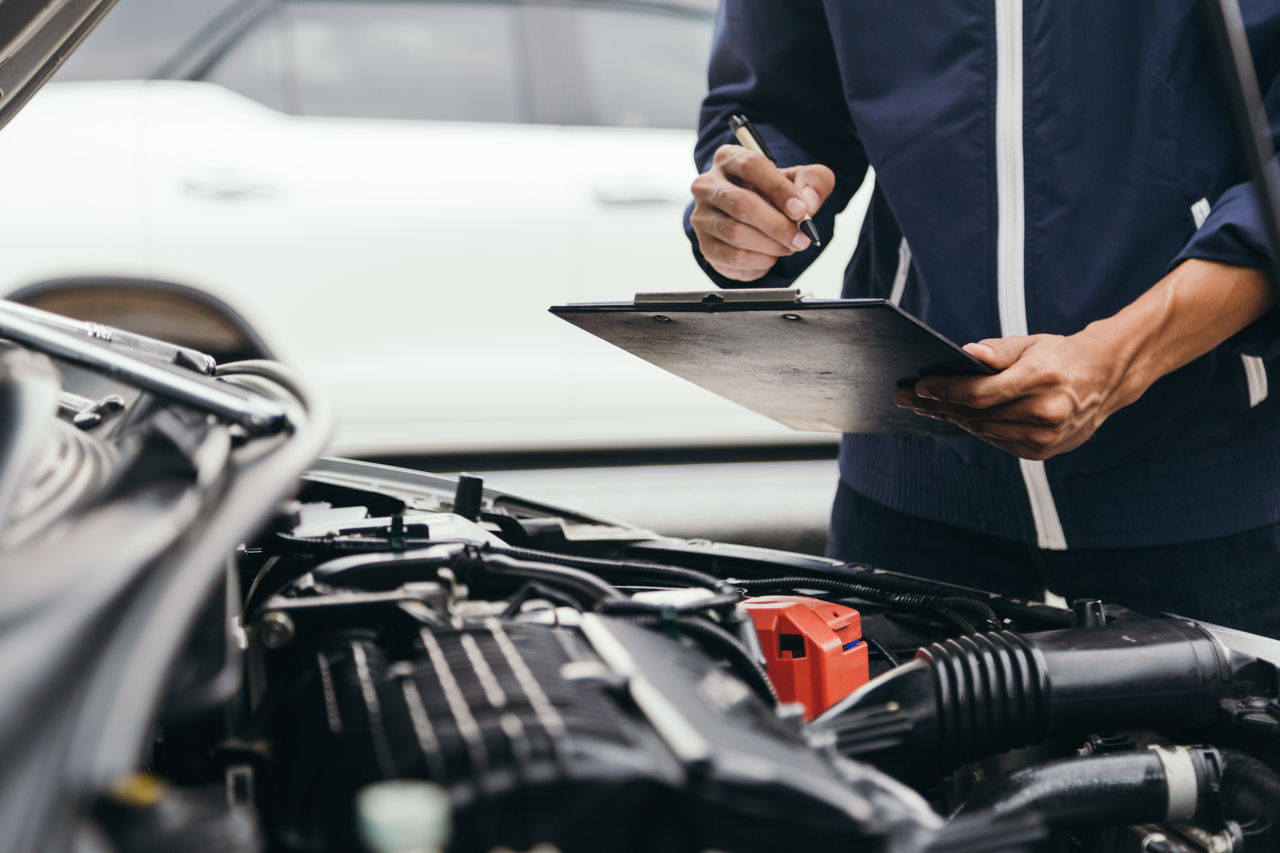
One of the best steps a buyer can take is arranging an independent inspection before finalizing the purchase.
Choose a qualified mechanic who is not financially connected to the seller. The mechanic can examine components that are difficult for the average buyer to evaluate.
A professional inspection may identify problems involving:
- Engine
- Transmission
- Brakes
- Suspension
- Steering
- Exhaust
- Electrical systems
- Cooling system
- Tires
- Structural components
The inspection cost is usually small compared with the potential expense of purchasing a vehicle with major hidden problems.
Watch for Red Flags
Some situations deserve extra caution.
Seller Avoids Questions
If the seller cannot explain basic details about the vehicle’s history, maintenance, or ownership, investigate further.
Inspection Is Not Allowed
A seller who refuses a reasonable independent inspection should be treated cautiously.
Unusually Low Price
A price far below comparable vehicles may indicate hidden mechanical problems, documentation concerns, urgent selling circumstances, or other issues.
Fresh Cosmetic Repairs
New paint or repairs are not automatically negative, but they may justify questions about previous damage.
Inconsistent Information
Mileage, service records, ownership documents, and vehicle condition should generally tell a consistent story. Major discrepancies deserve further investigation.
Example: Finding Hidden Repair Costs
Imagine a buyer finds a used vehicle with an attractive asking price. The car looks clean and performs well during a short test drive.
An independent inspection, however, reveals worn tires, brake work that will soon be necessary, a small fluid leak, and suspension components showing significant wear.
The vehicle may still be worth purchasing, but the buyer now has a clearer understanding of the additional costs. This information can help with negotiation or lead the buyer to consider another vehicle.
How to Make a Final Buying Decision
After the inspection, consider the complete picture rather than focusing on one feature.
Ask yourself:
- Is the vehicle mechanically sound?
- Does the maintenance history make sense?
- Are there upcoming repairs?
- Is the asking price reasonable for its condition?
- Can you comfortably afford future maintenance?
- Are the ownership documents in order?
- Does the vehicle meet your practical needs?
A good used car should fit both your budget and your expectations for reliability.
Frequently Asked Questions
Should every used car receive a professional inspection?
A professional inspection is strongly recommended, particularly for older vehicles or expensive purchases. It can reveal problems that are difficult to identify during a basic test drive.
What is the first thing to check on a used car?
Start with the vehicle’s documentation, overall exterior condition, tires, and maintenance history. Then perform a detailed mechanical inspection and test drive.
Is high mileage always a warning sign?
No. High mileage can indicate greater wear, but a well-maintained vehicle with higher mileage may be more dependable than a poorly maintained low-mileage vehicle.
Can a test drive reveal mechanical problems?
A test drive can reveal symptoms such as unusual noises, vibrations, shifting problems, braking issues, or steering concerns. However, it cannot replace a professional mechanical inspection.
Should I buy a used car with accident history?
It depends on the severity and quality of the repairs. A documented minor accident that was professionally repaired may not be a major concern, while serious structural damage deserves much greater caution.
What should I do if the inspection finds problems?
Ask the mechanic to explain the severity, repair requirements, and likely costs. You can then decide whether to negotiate the price, request repairs, or walk away from the purchase.
Conclusion
Inspecting a used car before buying it is one of the best ways to reduce the risk of unexpected expenses. A vehicle’s appearance and asking price only tell part of the story. Its mechanical condition, maintenance history, documentation, and previous use are equally important.
Take your time, perform a careful inspection, complete a thorough test drive, and arrange an independent mechanical evaluation whenever possible. A little extra effort before purchasing can help you find a used car that offers better reliability, value, and peace of mind for the years ahead.
