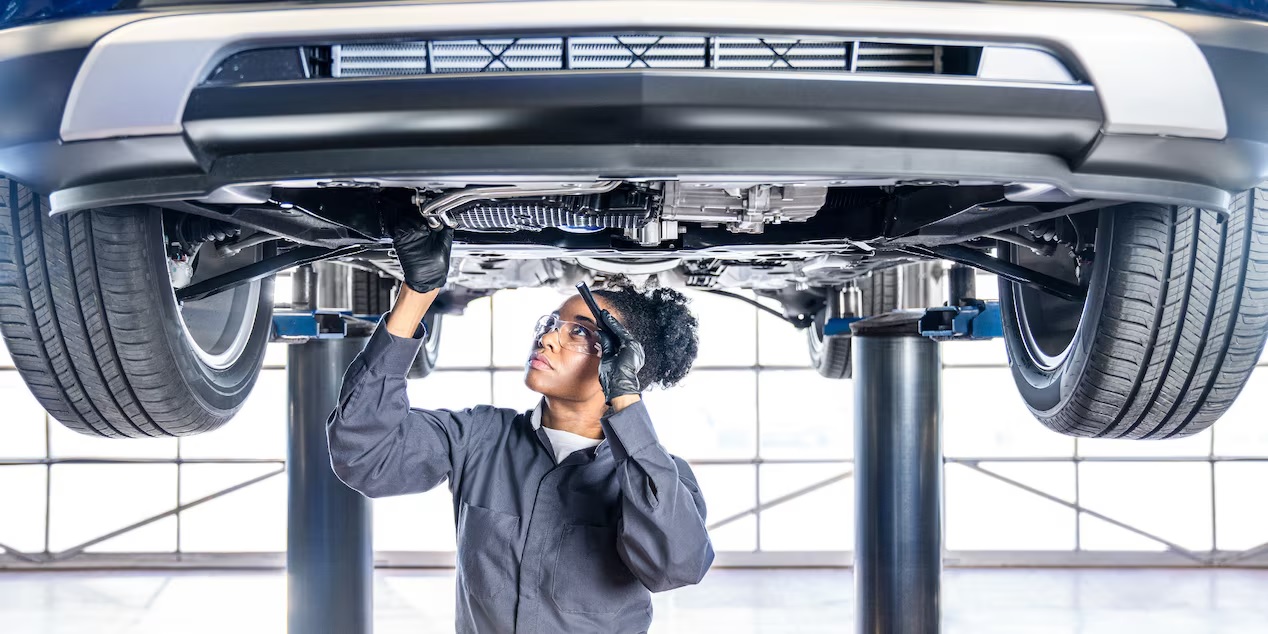
Car repair is an essential aspect of vehicle ownership, ensuring that your car runs smoothly, safely, and efficiently. Whether it’s routine maintenance or complex engine diagnostics, understanding car repair services can save time, money, and stress. Professional car repair shops and certified mechanics provide expertise that helps maintain the longevity of your vehicle, prevent breakdowns, and ensure optimal performance.
What is Car Repair?
Car repair involves diagnosing, servicing, and fixing issues in vehicles, ranging from minor adjustments to major engine overhauls. Repair services cover mechanical, electrical, and bodywork problems, ensuring that cars remain functional and safe on the road. Regular repairs also improve fuel efficiency, reduce emissions, and prevent costly replacements.
Types of Car Repair Services
Car repair services can be categorized based on the type of issue and the vehicle component involved. Understanding these categories helps car owners select the right service quickly:
1. Engine and Transmission Repair
The engine and transmission are the heart of any vehicle, and problems in these systems can severely impact performance:
- Engine diagnostics and repair for issues like misfires, overheating, or low compression.
- Transmission services, including fluid changes, clutch repairs, and automatic or manual gearbox fixes.
- Timing belt or chain replacement and major engine rebuilds for older vehicles.
Prompt attention to engine or transmission problems prevents further damage and expensive repairs.
2. Brake System Repair
A well-functioning brake system is critical for safety. Brake repairs may include:
- Brake pad and rotor replacement.
- Brake fluid flushing and bleeding.
- Caliper repairs or replacements.
- ABS sensor diagnostics and repairs.
Regular brake maintenance ensures reliable stopping power and reduces the risk of accidents.
3. Electrical System Repair
Modern vehicles rely heavily on electronics, making electrical repair essential:
- Battery testing and replacement.
- Alternator and starter motor repair.
- Wiring inspections and fuse replacements.
- Troubleshooting dashboard warning lights and sensors.
Addressing electrical issues promptly avoids breakdowns and enhances vehicle safety.
4. Suspension and Steering Repair
Suspension and steering components affect ride quality, handling, and vehicle stability:
- Shock absorber and strut replacements.
- Wheel alignment and balancing.
- Steering rack and power steering fluid maintenance.
- Suspension bushings and control arm repairs.
Proper suspension repair improves comfort, handling, and tire longevity.
5. Tire Services
Tires are the only point of contact between the car and the road, requiring regular inspection and maintenance:
- Tire rotation and balancing to extend life.
- Flat tire repair or replacement.
- Seasonal tire changes for winter and summer conditions.
- Tire pressure monitoring system checks.
Maintaining tires reduces fuel consumption, improves safety, and enhances driving performance.
6. Bodywork and Paint Repair
Car body repairs restore aesthetics and protect against rust or corrosion:
- Dent and scratch removal.
- Bumper repairs and replacement.
- Paint touch-ups or full vehicle repainting.
- Frame straightening and collision repair.
Professional bodywork ensures your car maintains its value and appearance.
7. Routine Maintenance and Preventive Repair
Preventive maintenance reduces unexpected breakdowns and improves vehicle lifespan:
- Oil and filter changes.
- Air filter and cabin filter replacements.
- Coolant, transmission, and brake fluid checks.
- Spark plug replacement and timing inspections.
Regular maintenance is the key to long-term reliability and performance.
Choosing the Right Car Repair Shop
Selecting a trustworthy repair shop or mechanic is crucial for quality service and cost efficiency. Consider these factors when choosing:
- Certification: Look for ASE-certified mechanics or manufacturer-approved repair centers.
- Reputation: Check online reviews, ratings, and testimonials.
- Experience: A shop experienced with your car make or model is preferable.
- Warranty: Reliable shops offer warranties on labor and parts.
- Transparency: Clear estimates and detailed explanations of repairs build trust.
- Convenience: Location, operating hours, and availability of emergency services matter.
Common Car Repair Mistakes to Avoid
Car owners can inadvertently cause additional issues or expenses by making certain mistakes:
- Ignoring minor warning signs like unusual noises, leaks, or vibration.
- Skipping scheduled maintenance due to time or cost concerns.
- Using substandard parts or fluids instead of manufacturer-recommended products.
- Attempting complex repairs without proper expertise.
- Failing to document repairs and service history for future reference.
Avoiding these mistakes ensures reliable performance and reduces long-term repair costs.
Cost Factors in Car Repair
The cost of car repair varies depending on several factors:
- Vehicle make, model, and age.
- Type of repair—engine or transmission repairs are generally more expensive.
- Labor rates at the chosen repair shop.
- Parts quality, whether OEM (original equipment manufacturer) or aftermarket.
- Geographic location and availability of specialized services.
Regular preventive maintenance often reduces overall repair costs by catching problems early.
DIY vs Professional Car Repair
While minor tasks such as oil changes, air filter replacements, and tire rotations can be done at home, professional repair services are recommended for:
- Engine or transmission issues.
- Brake system repairs.
- Electrical and wiring problems.
- Suspension and steering repairs.
- Major bodywork and collision repairs.
Professional expertise ensures safety, quality, and compliance with vehicle standards.
Tips for Extending Vehicle Lifespan Through Repairs
- Follow manufacturer-recommended maintenance schedules.
- Address warning lights and unusual sounds immediately.
- Keep detailed records of repairs and maintenance.
- Use high-quality parts and fluids recommended by the manufacturer.
- Inspect tires, brakes, and fluids regularly.
Proper attention to repairs and maintenance can significantly extend vehicle life and enhance resale value.
On a personal note, this article was initially drafted as a general guide, but I later learned about some trusted car repair shops that offer comprehensive services, fair pricing, and exceptional customer care for both routine maintenance and emergency repairs.
FAQs About Car Repair
- How often should I take my car for repair or maintenance?
Most vehicles require routine inspections every 5,000 to 10,000 miles, but it depends on manufacturer recommendations. - Can I rely on independent repair shops for major repairs?
Yes, independent shops with certified mechanics often provide high-quality service, sometimes at lower costs than dealerships. - What is the difference between preventive maintenance and repair?
Preventive maintenance avoids problems before they occur, while repair fixes existing issues. Both are critical for vehicle longevity. - Are aftermarket parts safe for car repair?
High-quality aftermarket parts are safe if compatible with your vehicle, but OEM parts are generally recommended for critical components. - How can I identify a trustworthy car repair shop?
Certifications, customer reviews, transparent estimates, and warranty coverage indicate reliability. - Is it cheaper to repair or replace a car?
It depends on the age, condition, and cost of repairs versus the value of a replacement vehicle. A trusted mechanic can provide cost-effective guidance. -
What emergency repairs should I keep in mind?
Key emergencies include brake failure, engine overheating, electrical system malfunctions, flat tires, and suspension damage. Prompt professional attention is essential.
