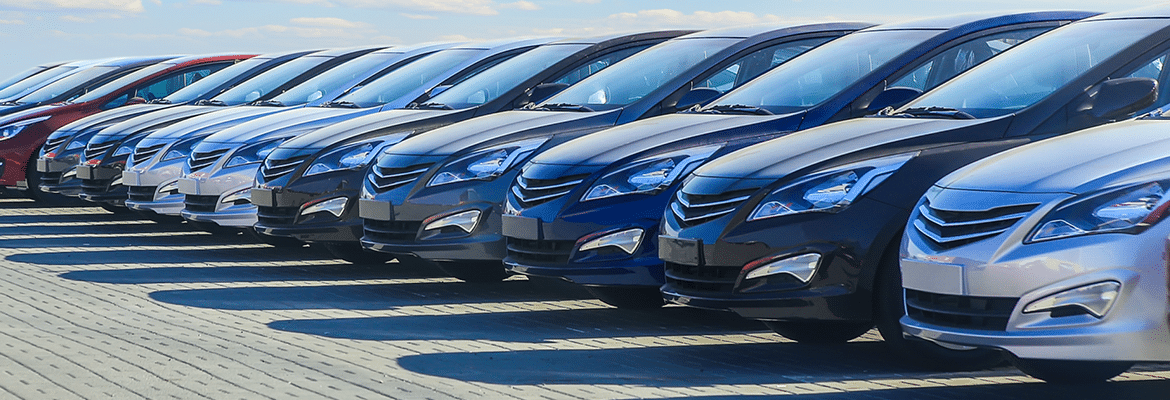
A vehicle is more than just a mode of transportation—it is an investment in convenience, safety, and lifestyle. Whether you are buying your first vehicle or upgrading an existing one, understanding the types, features, maintenance needs, and safety considerations can ensure you make a smart decision. With careful planning, research, and regular upkeep, any vehicle can provide years of reliable service.
Types of Vehicles
Vehicles come in many forms, each suited to specific purposes, preferences, and budgets. Here’s an overview of the main types:
1. Sedans
Sedans are versatile vehicles with a comfortable interior and a standard trunk. They are ideal for city commuting, family use, and moderate fuel efficiency. Modern sedans often feature advanced safety systems, infotainment, and hybrid options.
2. SUVs and Crossovers
SUVs (Sport Utility Vehicles) and crossovers offer higher ground clearance, spacious interiors, and often all-wheel drive. They are suitable for families, off-road travel, and long-distance trips. Crossovers provide similar benefits with better fuel economy compared to traditional SUVs.
3. Trucks
Trucks are built for heavy-duty performance, cargo transport, and towing. They come in various sizes, including mid-size and full-size models. Pickup trucks are popular for work purposes and recreational activities like camping or hauling equipment.
4. Hatchbacks
Hatchbacks combine the compact size of sedans with a rear cargo space that can be expanded by folding seats. They are efficient for city driving and parking, making them a favorite for young professionals or small families.
5. Electric and Hybrid Vehicles
Electric vehicles (EVs) and hybrids are increasingly popular due to their environmental benefits and lower running costs. EVs run solely on electricity, while hybrids combine a gasoline engine with electric motors to enhance fuel efficiency.
Choosing the Right Vehicle
Selecting the right vehicle involves assessing your lifestyle, budget, and long-term needs. Key considerations include:
- Purpose: Daily commuting, family transport, cargo hauling, or recreational use.
- Budget: Include purchase price, insurance, maintenance, and fuel costs.
- Fuel Efficiency: Evaluate miles per gallon (MPG) or electric range for EVs.
- Safety Features: Look for airbags, anti-lock brakes, stability control, and driver-assist technologies.
- Resale Value: Research depreciation trends for different models to maximize investment.
Vehicle Maintenance Tips
Regular maintenance ensures your vehicle runs smoothly, retains value, and keeps you safe. Follow these essential maintenance practices:
1. Engine and Oil
- Change engine oil and filters as recommended by the manufacturer.
- Check coolant levels and inspect belts and hoses regularly.
- Listen for unusual engine noises that could indicate problems.
2. Tires and Brakes
- Rotate tires and check alignment for even wear and better handling.
- Inspect tire pressure frequently and replace worn-out tires.
- Ensure brake pads, discs, and fluid levels are in optimal condition.
3. Transmission and Fluids
- Check transmission fluid and gear operation periodically.
- Maintain other fluids like power steering, brake, and windshield washer fluids.
4. Battery and Electrical Systems
- Test battery health and clean terminals to prevent corrosion.
- Check lights, indicators, and infotainment systems for proper function.
5. Exterior and Interior Care
- Wash and wax the vehicle to prevent rust and maintain appearance.
- Clean interior surfaces and upholstery to extend longevity and comfort.
Upgrading Your Vehicle
Upgrades can enhance performance, comfort, and aesthetics. Popular vehicle upgrades include:
- Performance Upgrades: Turbochargers, exhaust systems, and suspension enhancements.
- Tech and Connectivity: Advanced infotainment, navigation systems, and smartphone integration.
- Safety Features: Blind-spot monitoring, rearview cameras, and lane-keeping assist.
- Aesthetic Enhancements: Alloy wheels, custom paint, and interior trims.
Eco-Friendly Practices for Vehicle Owners
Even if your vehicle is not electric, there are ways to reduce environmental impact:
- Maintain tire pressure and engine efficiency for optimal fuel consumption.
- Reduce unnecessary idling and practice smooth driving habits.
- Dispose of oils, batteries, and other fluids responsibly.
- Consider hybrid or electric options for your next vehicle purchase.
Common Vehicle Issues and How to Avoid Them
- Overheating: Maintain coolant levels and inspect radiators.
- Brake Failure: Regularly inspect pads, discs, and fluid.
- Battery Problems: Test battery health and avoid leaving electronics on when the engine is off.
- Suspension Issues: Watch for uneven tire wear or handling difficulties.
- Electrical Failures: Check fuses, wiring, and connections periodically.
On a personal note, this article was originally designed as a general vehicle guide, but I later realized that understanding the detailed aspects of choosing, maintaining, and upgrading your vehicle can save money, improve safety, and make driving a much more enjoyable experience. Proper knowledge and planning turn any vehicle into a reliable and long-lasting companion.
FAQs About Vehicles
- How often should I service my vehicle?
Follow the manufacturer’s recommended schedule, typically every 5,000–10,000 miles, depending on usage and type of vehicle. - What is the most reliable type of vehicle for long-term ownership?
Sedans and certain SUVs are generally known for reliability, but research specific models and years for durability. - How can I increase my vehicle’s resale value?
Keep maintenance records, avoid modifications that reduce appeal, and maintain the exterior and interior condition. - Are electric vehicles more cost-effective than traditional vehicles?
EVs have lower running costs and maintenance requirements, but higher initial purchase prices may affect overall cost-effectiveness. - What safety features should I prioritize when buying a vehicle?
Airbags, anti-lock brakes, stability control, collision warning, and lane departure systems are essential safety features. - Can I perform basic maintenance on my own?
Yes, tasks like checking fluid levels, replacing wiper blades, and monitoring tire pressure can be done at home, while more complex maintenance should be handled by professionals. -
Is it better to buy new or used vehicles?
New vehicles offer warranties and the latest features, while used vehicles provide cost savings and slower depreciation. Your choice depends on budget and long-term plans.
